Čiekurkalns
Warehouse & logistics space for rent
Looking for warehouse space in Čiekurkalns?
Čiekurkalns offers heated and unheated warehouses, workshops and production space. Compare loading doors, floor level, heating and the terms for using shared yards.
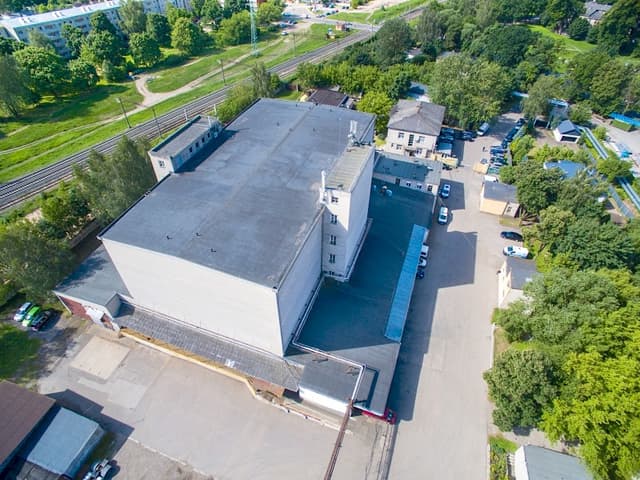
Čiekurkalns has warehouses, workshops and production premises on former industrial sites. Čiekurkalna kvartāls, around Tēraudlietuves and Atlasa streets, is one example, with units that differ in size and heating arrangements.
Inspect the yard as well as the interior: can trucks turn, where will unloading take place, and is access shared with other tenants? For an unheated unit, check that temperature and humidity conditions suit the goods you intend to store.
Population and employment
Čiekurkalns has 7,336 residents (2026).
Between 2011 and 2023 the population remained roughly unchanged.
In 2023 the neighbourhood had 3,866 employed residents, and 66% of all residents were of working age (15–64).
In 2023, average gross pay in the neighbourhood was EUR 1,633 a month. This was close to the Rīga average.
Population density is 13 residents per hectare.
Population and density: CSB (Latvia), beginning of 2026. Employment, pay, age structure and value added: Rīga Planning Region, 2023.
Transport access
Gustava Zemgala gatve connects this part of Riga to the main road network. Check truck access for the specific address, vehicle and any restrictions along the route.
Rent range
Rent excluding VAT and service charges
Location
Available stock
Properties in this district(1)
Useful resources
Looking for warehouse space in Čiekurkalns?
Browse all available properties or get in touch