Logistics Centers for Rent in Riga
Where to find logistics centers in Riga?
The key logistics zones in the Riga metropolitan area are Mārupe (airport corridor with Class A parks), Dreiliņi/Stopiņi (eastern corridor with highway access), the Olaine corridor along Via Baltica, and Salaspils along the Daugava river. These zones offer Class A and B logistics facilities with dock doors, high ceilings, and full infrastructure for distribution and warehousing operations.
- Class A: 10m+ ceiling height
- Hydraulic dock levellers and turning yard
- 24/7 access and security
- Typical lease: 3–7 years
Why Riga as a Logistics Hub
Riga occupies a strategically unique position as the Baltic gateway at the EU's eastern border — equidistant between Tallinn and Vilnius, and within a day's drive of Helsinki, Warsaw, and St. Petersburg. This geography makes it one of the most efficient distribution hubs for companies serving both Western European and CIS markets from a single facility.
The city's logistics infrastructure is anchored by Via Baltica (E67) — the primary highway corridor connecting Riga to Warsaw and Central Europe — alongside a dense Class A regional road network that allows heavy goods vehicles direct access to all major industrial parks. The Port of Riga handles over 30 million tonnes annually through ro-ro, container, and bulk terminals, while Riga International Airport operates a dedicated cargo terminal used by DHL, FedEx, and major freight forwarders.
Rail connectivity adds another dimension: Riga sits at the intersection of the 1520mm broad-gauge network (reaching CIS countries) and the developing Rail Baltica standard-gauge line (connecting to the EU rail network by 2030). The Riga Free Economic Zone offers customs warehousing, VAT deferral, and corporate tax incentives for qualifying logistics operators — making Riga especially attractive for bonded storage and cross-docking operations serving international trade flows.
Key Logistics Zones in Riga
Mārupe — Airport Corridor. The most sought-after logistics address in Latvia, Mārupe sits directly adjacent to Riga International Airport along the A10 motorway. This zone hosts the highest concentration of Class A logistics parks — including Piche Logistics Park, VGP Park Riga, and Sirin Park — offering modern facilities with dock doors, ESFR sprinklers, LED lighting, and yard depths of 35m+. Ideal for e-commerce fulfilment, pharmaceutical distribution, and time-sensitive air freight operations. Explore Mārupe logistics properties →
Stopiņi / Dreiliņi — Eastern Corridor. Located east of Riga along the A6 highway toward Russia and Belarus, the Stopiņi and Dreiliņi cluster offers strong connectivity for cross-border logistics. Properties here benefit from proximity to the eastern rail freight hub and are popular with retailers and FMCG distributors serving the Baltic region. Rents are typically 10–15% lower than in the airport corridor. Explore the Dreiliņi area guide →
Olaine — Southern / Via Baltica Corridor. The Olaine industrial zone lines the Via Baltica route south of Riga, providing excellent access for road freight between the Baltics and Poland. A mix of Class A and B facilities serves chemical, manufacturing, and heavy logistics tenants. The zone benefits from lower land costs and available large footprint builds (5,000–30,000 m²).
Salaspils — Daugava Corridor. Salaspils offers a quieter but well-connected logistics location along the Daugava river, southeast of Riga. Competitive rents and available plots for build-to-suit development make it attractive for companies requiring cost-efficient warehousing close to the city.
What to Look for in a Logistics Center
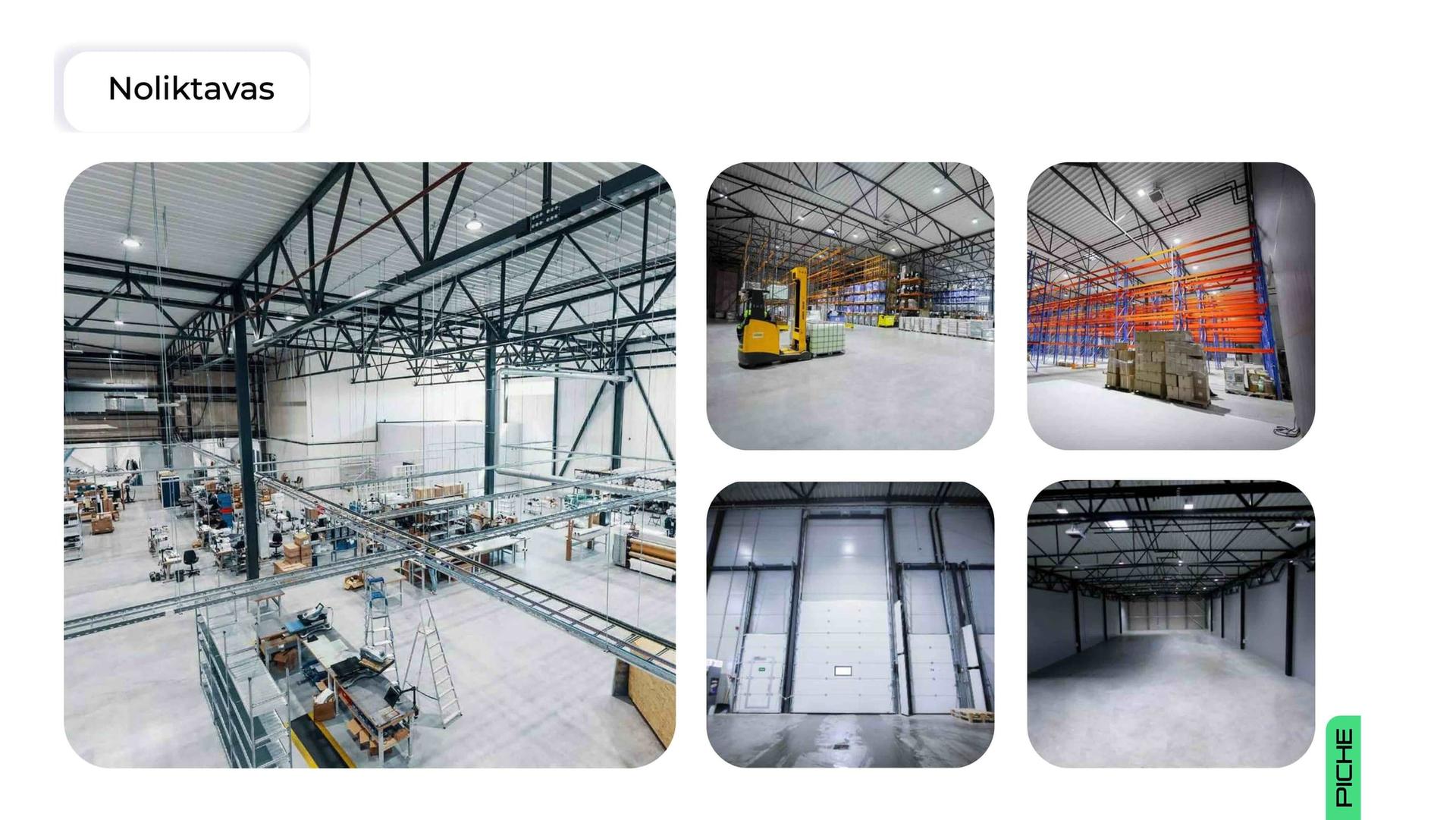
Not all logistics centers are equal. The key technical specifications that determine operational efficiency — and ultimately your lease cost per pallet position — are dock doors, yard depth, and clear height. Class A facilities in Riga typically provide one dock door per 800–1,000 m² of warehouse floor, hydraulic dock levellers rated for 6-tonne trucks, and turning yards of 35m or more to accommodate articulated vehicles. Class B buildings often have fewer dock positions and shorter yards, which limits throughput.
Ceiling height is a critical multiplier for racking density. Class A warehouses in Riga deliver 10–12m clear height under the haunch, enabling five-level racking and automated storage systems. Class B buildings range from 7–9m. If you plan to use reach trucks or AS/RS equipment, confirm the clear height to the lowest obstruction (sprinkler heads, lighting rigs).
Security and access for logistics operations should include 24/7 manned security or CCTV coverage, perimeter fencing with controlled truck lanes, and ideally separate pedestrian and vehicle access points. ESFR (Early Suppression Fast Response) sprinkler systems are standard in Class A parks and are required by most insurers for high-bay racking. Power supply — typically 400V three-phase at 250–500 kVA for a standard 5,000 m² unit — should be confirmed upfront if you plan to operate refrigeration, conveyor lines, or fast-charge stations for electric forklifts.
Finally, assess expansion flexibility: can you take adjacent units as your business grows? The best Class A parks are designed with modular bays (typically 12×24m column grids) that allow tenants to expand incrementally without vacating. Ask the landlord about committed expansion rights and notice periods before signing.
Available Logistics Properties
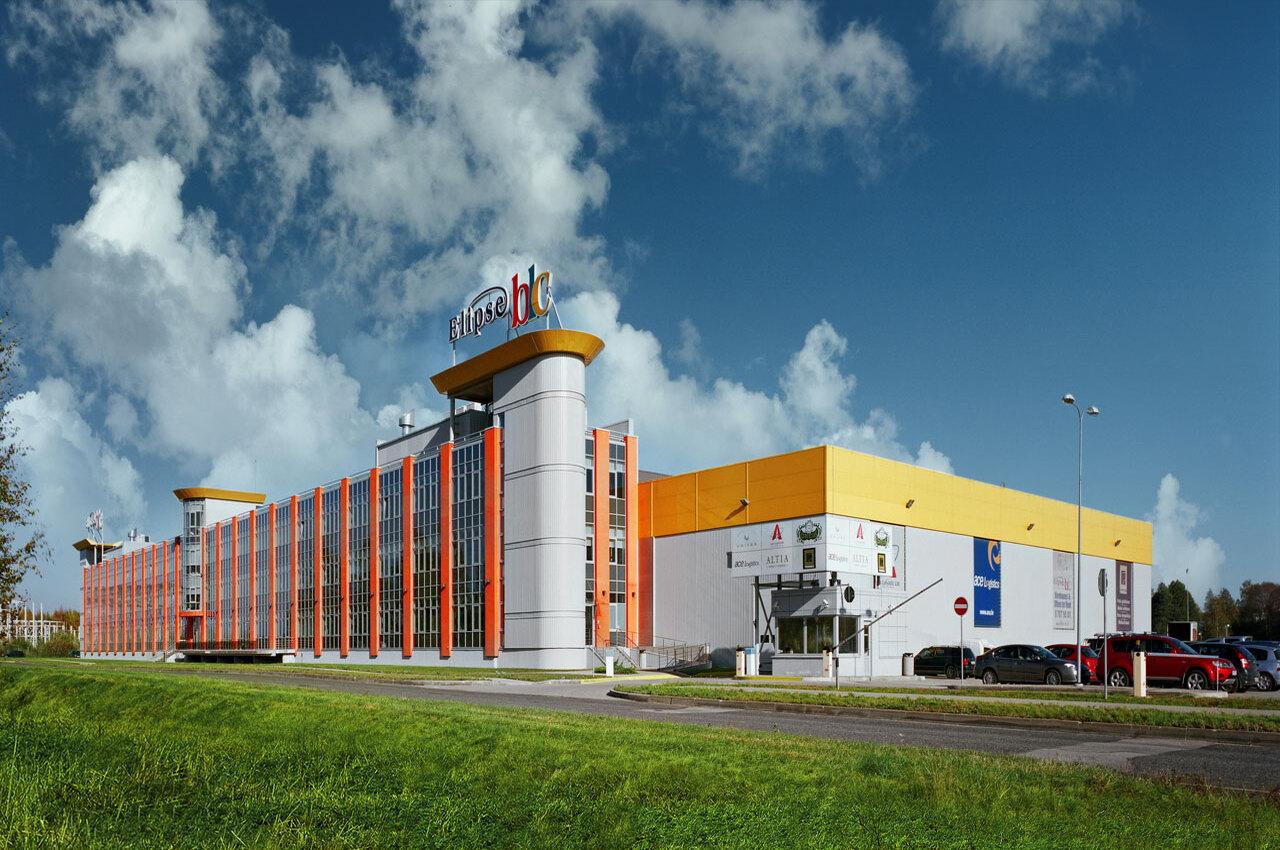
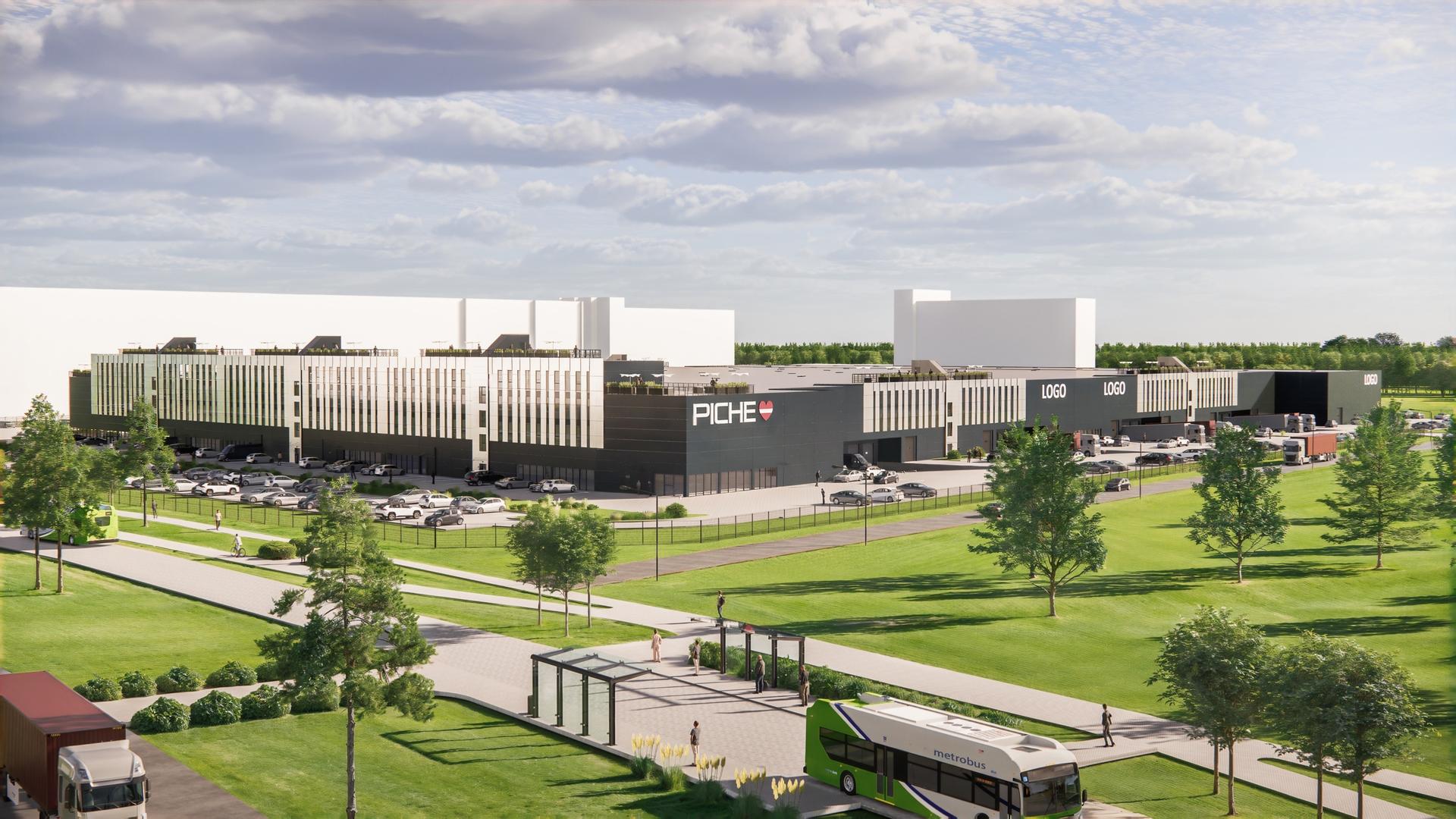
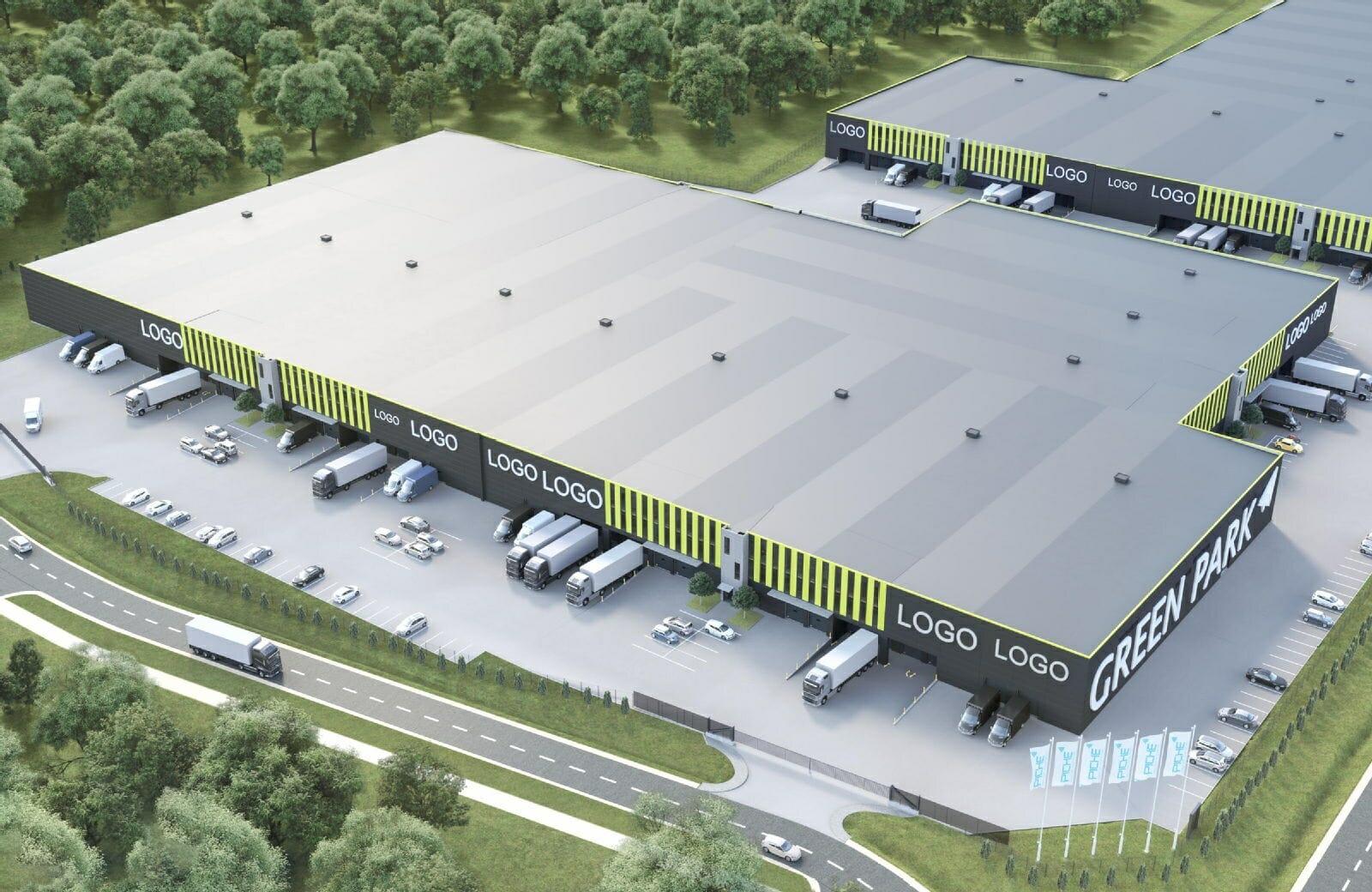
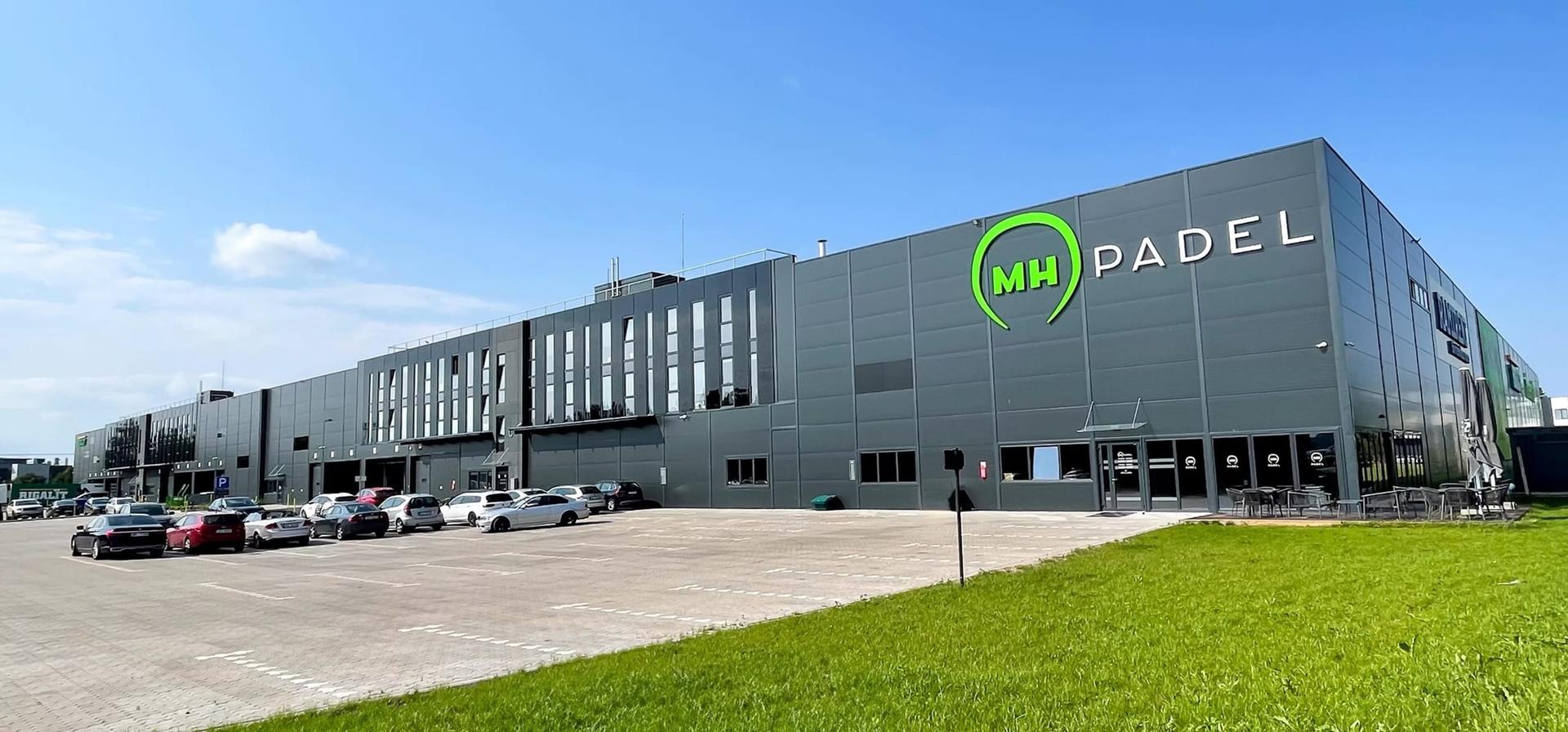
Frequently Asked Questions
What is the average rent for a logistics center in Riga?
Average rent for Class A logistics centers in the Riga area ranges from €3.50 to €5.50/m²/month depending on location, specifications, and lease term. Class B facilities typically start from €2.80/m²/month. Rents in the Mārupe airport corridor command a premium over outer zones like Olaine or Salaspils.
What are typical lease terms for logistics centers in Riga?
Typical lease terms for Class A logistics centers in Riga are 3–7 years, often with annual CPI-indexed rent adjustments. Shorter terms of 1–3 years are more common in Class B facilities. Most leases include a service charge covering common area maintenance, property insurance, and security.
What infrastructure connects Riga logistics centers to European markets?
Riga logistics centers benefit from Via Baltica (E67) highway connecting to Warsaw and Western Europe, the Port of Riga with ro-ro and container terminals, Riga International Airport cargo terminal, and dual-gauge rail (1520mm to CIS countries and standard gauge to the EU). The city also hosts a free economic zone offering customs and tax advantages.